
The Stress Triangle: How Hidden Trauma and Intrusive Thoughts Feed Anxiety
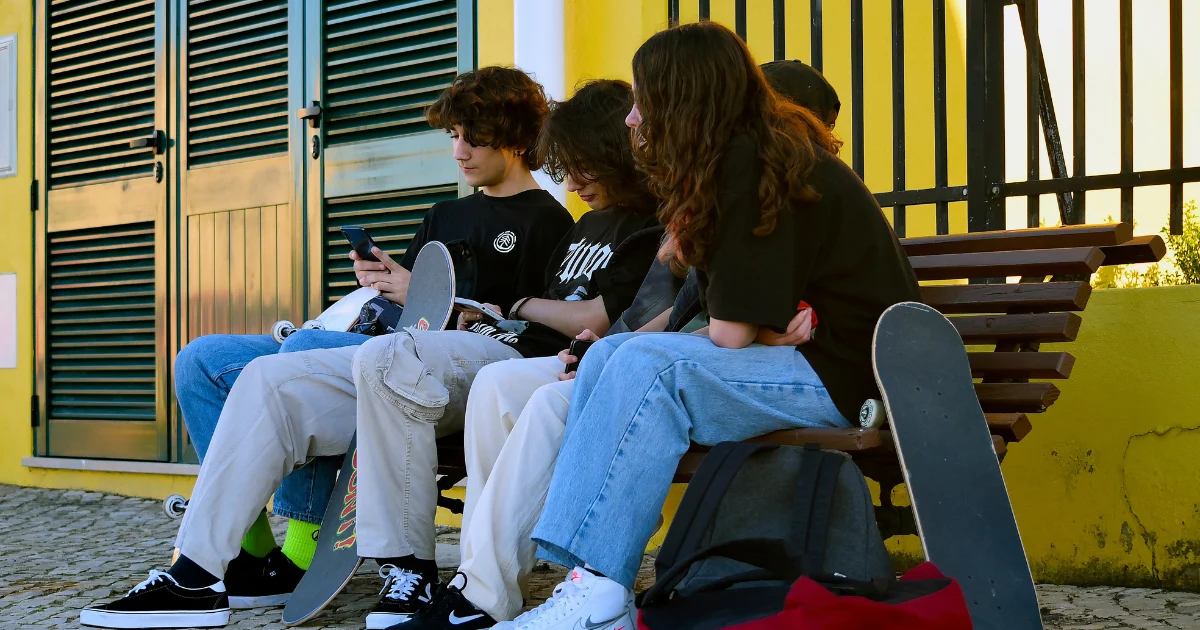
Photo by Joao Viegas on Unsplash
What Parents Should Know:
and What The Anxious Generation Gets Right
Erik Turley, LMFT
04/08/2026
If you’ve been hearing more about rising anxiety—especially in kids and teens—you’re not alone.
The Anxious Generation by Jonathan Haidt has been getting a lot of attention for explaining why anxiety seems to be increasing, especially with younger generations. But what does it actually say—and what should you take from it?
Let’s break it down in simple terms.
Quick Answer
This book may be helpful if:
- You’re a parent trying to understand your child’s anxiety
- You’re concerned about phones, social media, or screen time
- You want a bigger-picture view of mental health trends
You may want to read it carefully if:
- You’re already feeling overwhelmed or worried
- You’re looking for very specific, step-by-step solutions
What This Book Is About
The main idea of this book is:
Kids today are growing up in a very different world—and it’s affecting their mental health.
The book focuses on two big changes:
- Less real-world independence (less free play, less time outside, less risk-taking)
- More screen time (especially smartphones and social media)
These changes have shifted how kids grow, connect, and cope.
What This Book Gets Right
1. Kids need real-world experiences
The book highlights how important it is for kids to:
- Play freely
- Take safe risks
- Solve problems on their own
- Build confidence through real experiences
Without this, kids may struggle to build resilience.
2. Social media changes how kids see themselves
One of the strongest points in the book is how social media can impact:
- Self-worth
- Comparison
- Anxiety
- Sleep
Constant exposure to others’ lives can make it harder for kids (and adults) to feel “good enough.”
A Gentle Next Step
If you’re reading this and thinking, “I’m worried about this,” you’re not alone.
These are things many parents are trying to figure out right now.
Sometimes it helps to talk through what you’re seeing and what options you have.
If it feels right, you can reach out here to ask questions or explore support.
3. Anxiety is not just “in someone’s head”
The book helps explain that anxiety is shaped by environment, not just personality.
Things like:
- Technology
- Social pressure
- Lack of independence
All play a role.
This can help shift thinking from:
“What’s wrong with my child?”
to:
“What’s changed around them?”
Where This Book Needs Balance
1. It can feel alarming
Some parts of the book can feel intense or even scary.
It may leave you thinking:
- “Everything is going wrong”
- “I need to fix this immediately”
It’s important to slow down and take a balanced view.
2. It focuses a lot on technology
Technology is important—but it’s not the only factor in mental health.
Things like:
- Relationships
- Emotional support
- Life experiences
Also matter deeply.
3. It doesn’t always show what to do next
What This Means for You (or Your Family)
If there’s one idea to hold onto, it’s this:
Kids (and adults) need both connection and real-life experience to feel okay.
Some simple areas to think about:
- Time outside or unstructured play
- Boundaries around screens
- Safe, supportive relationships
- Opportunities to build confidence
You don’t have to change everything at once.
Small, steady shifts matter.
A Therapist’s Perspective
This book raises important concerns—but it’s not about panic. It’s about awareness.
In real life, support often looks like:
- Helping kids (or yourself) regulate emotions
- Building connection and trust
- Creating space for growth—not perfection
Every situation is different. There isn’t one “right way” to do this.
Final Thoughts
Yes, this book is worth reading—especially if you’re trying to understand anxiety in today’s world.
Just remember:
- It highlights problems more than solutions
- It’s one piece of the bigger picture
- You don’t have to figure it all out at once
If This Connects With You
If you’re feeling concerned, overwhelmed, or unsure where to start—that’s a very human response.
You don’t have to carry that alone.
Take the Next Step
If you’d like support—for yourself or your family—you’re welcome to reach out or schedule a time to talk.
- Schedule a Consultation
- Or Contact Us with any questions
If you’ve read this book…
What stood out to you?