
Active Duty Members & Veterans
Maintaining and/or Rebuilding Your Life in Idaho Falls & Surrounding Communities
Honoring Your Service
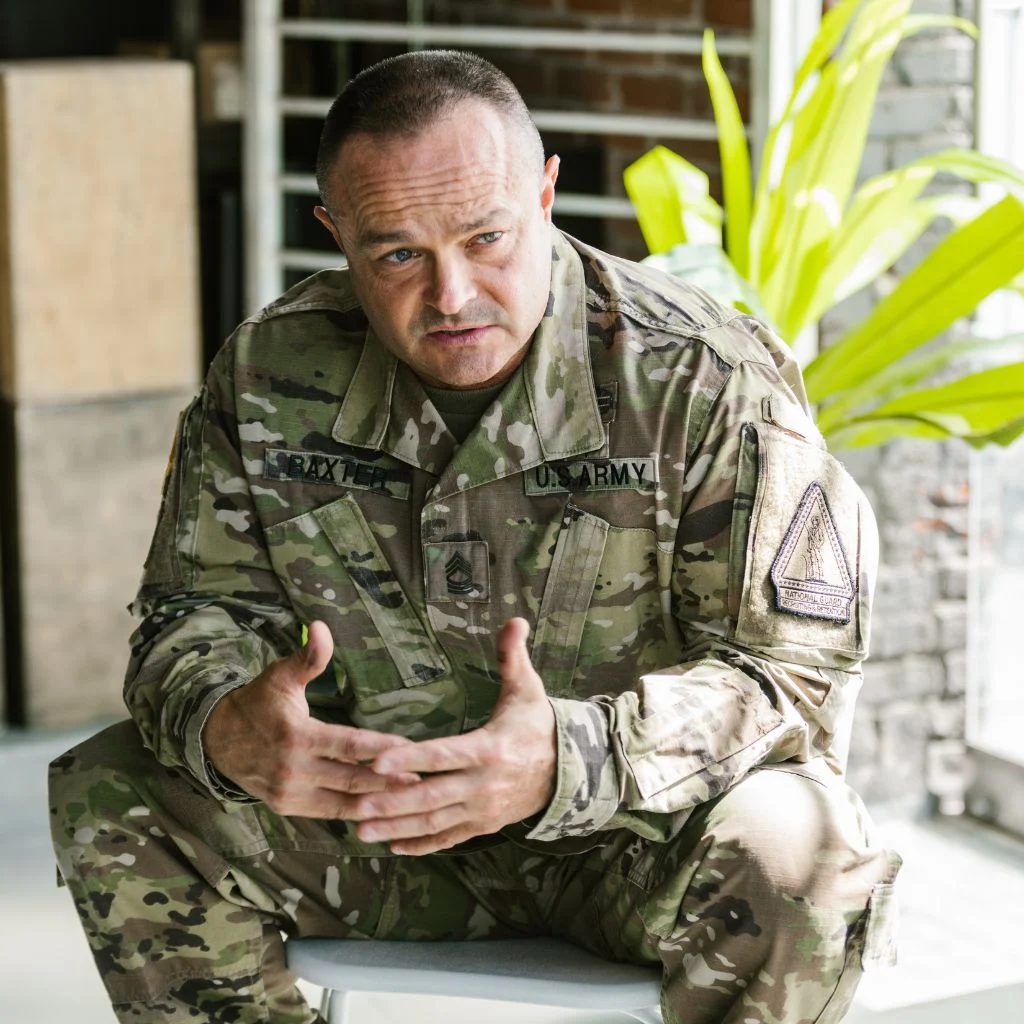
The courage and resilience required of those who serve is immeasurable. Whether you are an active-duty Service Member or a Veteran transitioning to civilian life, military service often involves unique stressors that can leave invisible wounds—from prolonged stress and deployments to the lasting impact of combat and moral injury.
At Brighter Paths, we honor your service by offering a safe, confidential, and respectful space to heal. Our therapy for Service Members and Veterans is designed to help you process your experiences, navigate life transitions, and reconnect with a sense of purpose, stability, and meaning.
Brighter Paths Await
Schedule Today
When you’re ready, support is available. Take the first step toward relief.
Understanding Your Journey
The unique culture and demands of military life can make it difficult to acknowledge when something feels off or overwhelming. What you are experiencing is not a failure or weakness—it is a normal response to extraordinary circumstances.
We commonly help Service Members and Veterans navigate challenges such as:
- Post-Traumatic Stress Disorder (PTSD): Coping with flashbacks, nightmares, and hyper-vigilance related to combat or service-related trauma
- Difficulty with Civilian Life: Navigating identity shifts, finding renewed purpose, and connecting with those who may not understand your experience
- Emotional Numbness: Feeling detached from loved ones or struggling to access emotions
- Anger and Irritability: Managing frustration, reactivity, or a short fuse
- Moral Injury: The deep emotional conflict that can arise when actions or experiences violate deeply held values
- Relationship Strain: Rebuilding connection with family, partners, and friends after service
You do not have to face these challenges alone. Support is available.
Our Therapeutic Approach: A Path to Healing and Resilience
Our counseling approach is grounded in a deep respect for military culture and an understanding of the unique stressors you have faced. We focus on building resilience, processing trauma, and developing practical skills that support daily functioning and long-term well-being.
Therapeutic approaches may include:
- EMDR (Eye Movement Desensitization and Reprocessing): A highly effective, evidence-based treatment for PTSD that helps the brain reprocess distressing memories, reducing their emotional intensity
- Internal Family Systems (IFS): A compassionate approach that explores the different “parts” of you impacted by trauma, moral injury, or emotional detachment, helping restore internal balance
- Dialectical Behavior Therapy (DBT) Skills: Practical tools for emotional regulation and distress tolerance, supporting steadier responses during intense moments
- Cognitive Behavioral Therapy (CBT): Identifying and reshaping unhelpful beliefs related to guilt, shame, or helplessness
- Solution-Focused Brief Therapy (SFBT): Strength-based goal setting that supports life transitions and the development of a meaningful future
Your First Step
Your service has mattered. Now, it’s time to invest in your well-being. Your first sessions provide a confidential, judgment-free space where we work together to understand your experiences and create a collaborative plan for healing, renewed purpose, and long-term stability.
Investing in Your Well-being
When you’re ready, support is available. Reaching out for help is a meaningful step toward restoring balance, clarity, and stability in your life. Contact Brighter Paths today to schedule a confidential consultation and take the next step toward a healthier, more sustainable path forward.
Start Your Journey
One Click Away
Support is here when you’re ready. Begin toward meaningful change.
Quick Reads Below

Postpartum Depression Treatment: DBT, IFS, EMDR & Therapy for New Mothers
Erik Turley, LMFT
02/12/2025
Post-partum depression (PPD) affects many new mothers and can significantly impact emotional well-being and bonding. Therapies like DBT, IFS, EMDR,...
Structural Family Therapy: Improve Family Dynamics, Boundaries & Relationships
Erik Turley, LMFT
11/27/2024
Structural Family Therapy (SFT) focuses on reshaping family dynamics, boundaries, and roles to improve relationships and mental health. By addressing...